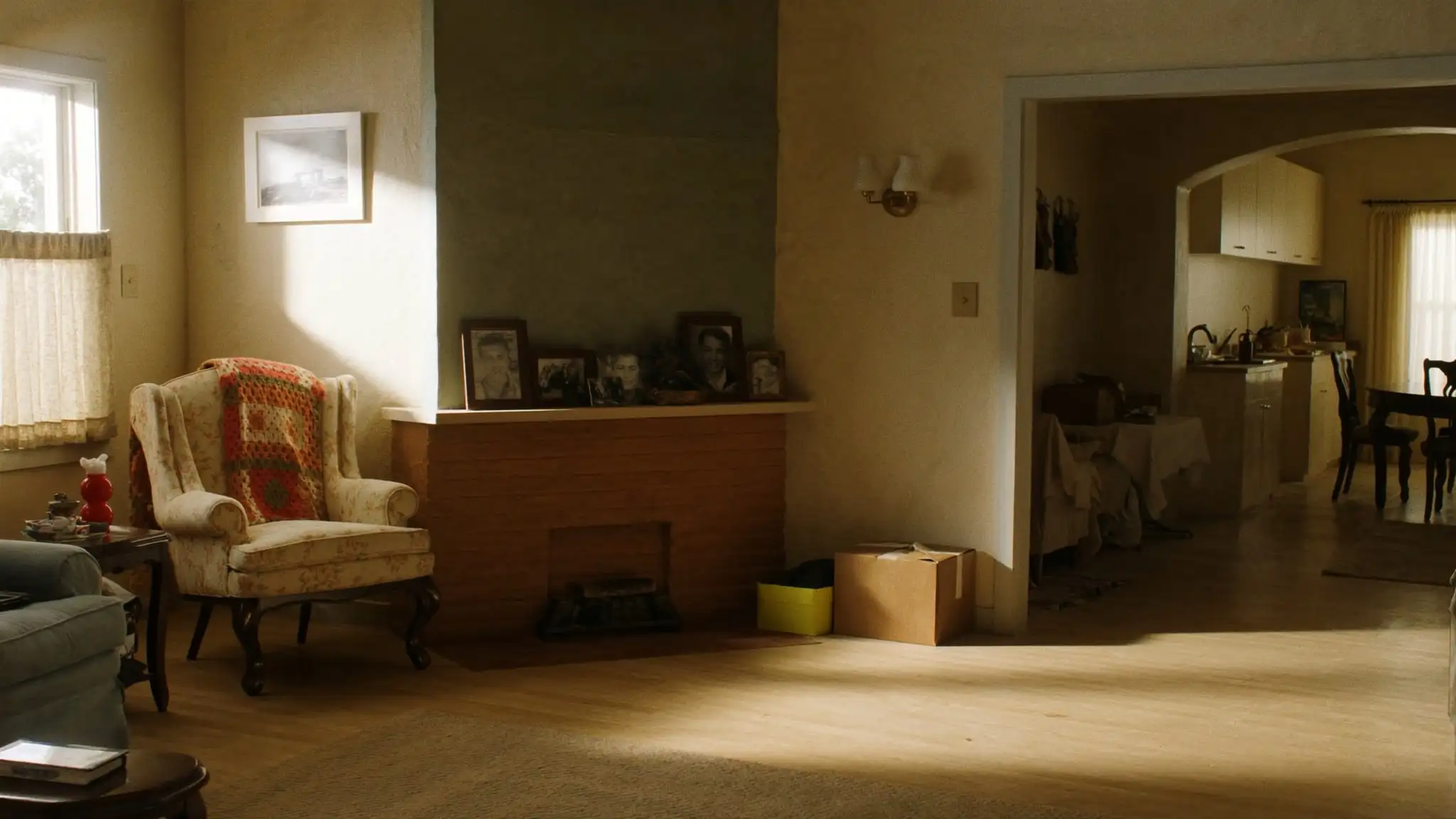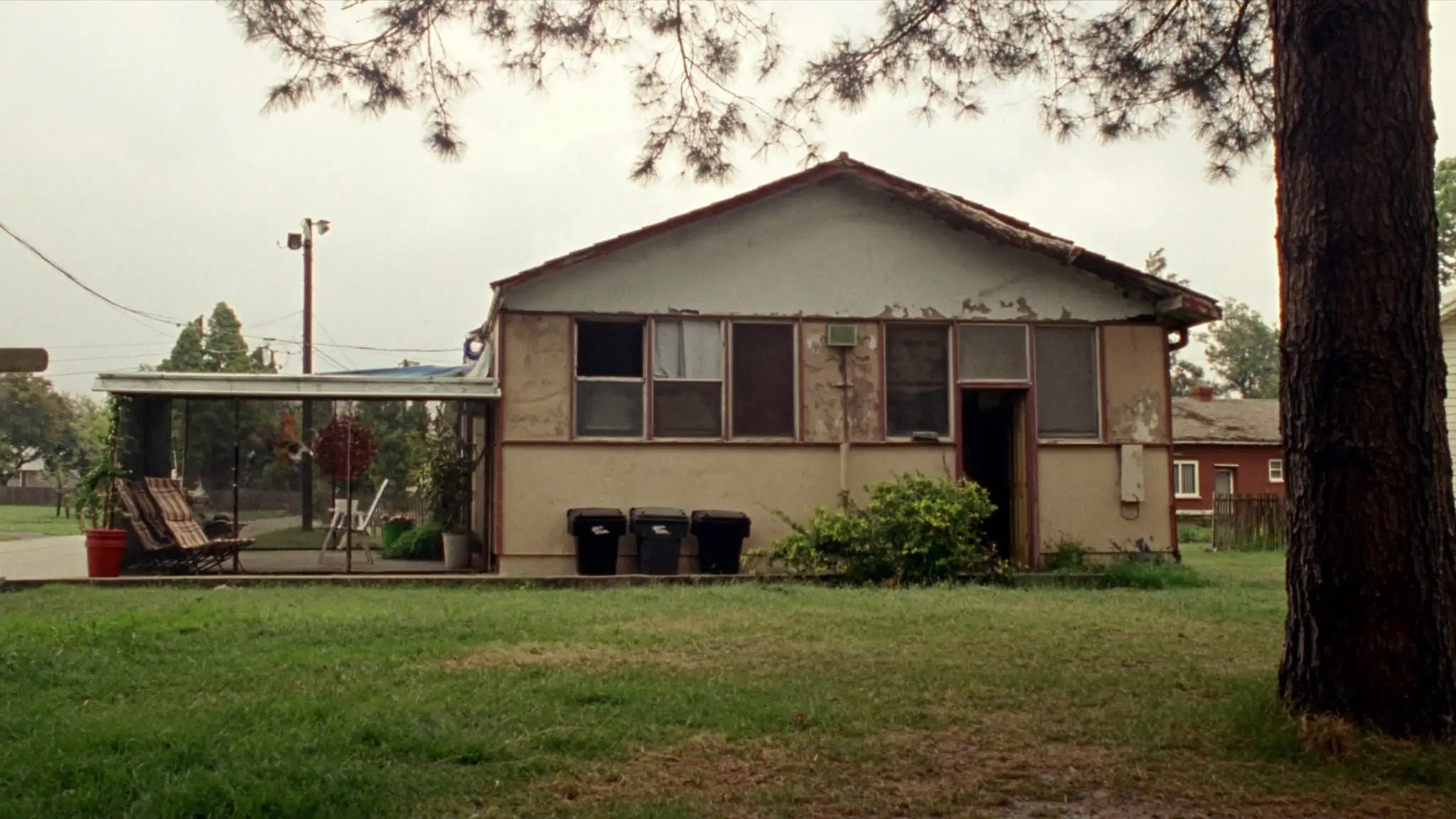
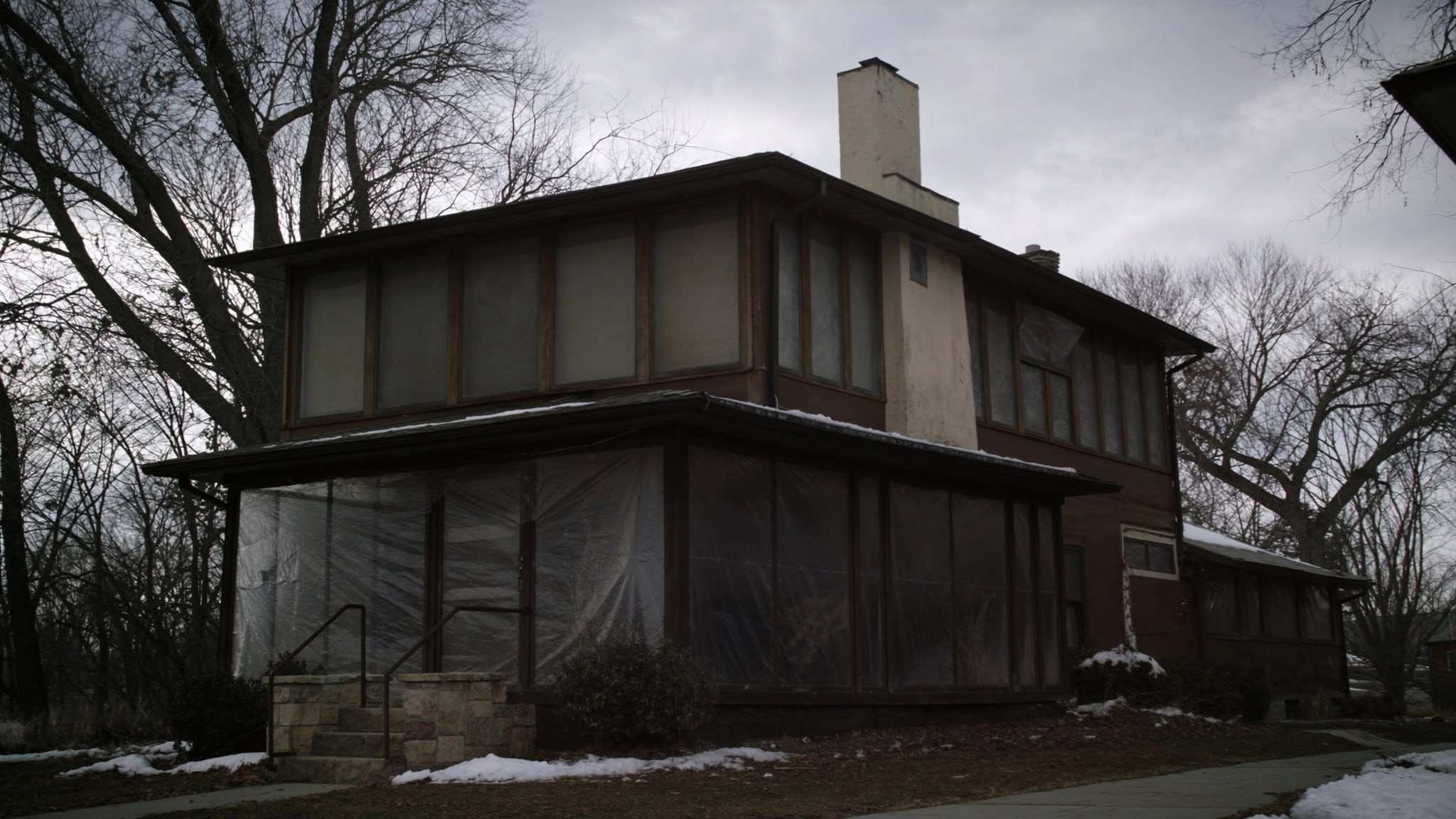
Houses end up empty for all kinds of reasons. A parent moved to assisted living or passed away. A tenant left and you never re-rented. You took a job in another state and the house didn’t sell. If you’re trying to sell a vacant house in Gary or anywhere in Lake County, here’s what an empty house really costs you, the risks to watch for, and how to sell it from wherever you live.
What an empty house costs every month
Even with nobody living there, the bills keep coming: property taxes, insurance, gas and electric, water and sewer, lawn care, snow removal, and any mortgage payment.
There’s a tax catch, too. If the house used to be your home, it stops qualifying for the homestead deduction once you move out. That can raise the tax bill, since homes with the deduction get Indiana’s 1% property tax cap while other residential property is capped at 2%. Indiana law also requires you to tell the county auditor within 60 days (IC 6-1.1-12-37). Our page on property taxes explains more.
The risks of leaving a house vacant
Insurance gaps
Many standard homeowners policies cut back coverage once a house has been vacant for a while. For example, a widely used standard homeowners form doesn’t cover vandalism or broken glass if the house has been vacant more than 60 days in a row. It covers frozen pipes only if you kept the heat on, or shut off the water and drained the system.
Your policy may be different. Read the vacancy section or call your agent, and ask whether you need a vacant-dwelling policy.
Break-ins and scrapping
An empty house can attract break-ins and scrappers who go after copper pipes, wiring and anything else they can sell. The damage they leave behind often costs more than what they take. Lights on timers, solid locks, a neighbor who keeps an eye out, and regular visits all help.
Frozen pipes
Northwest Indiana winters are hard on empty houses. If a frozen pipe bursts in an empty house, water can keep pouring out until someone happens to stop by. Keep the heat high enough to protect the plumbing, or have a plumber winterize the house by shutting off the water and draining the lines.
Code enforcement
Indiana lets cities and counties require owners to cut weeds and tall grass, and to bill owners for the cost when the city has to do it (IC 36-7-10.1-3). Under the state’s unsafe building law, a city can order a building sealed against entry, cleaned of trash, repaired or even torn down (IC 36-7-9-5). Unpaid costs for that work can be added to your property tax bill (IC 36-7-9-13.5).
Gary’s Code Enforcement Department lists blighted properties as one of its priorities. If you’ve already received a notice, read selling with code violations in Lake County.
Back taxes on an abandoned house
Indiana has a special tax sale for properties a court or hearing authority has found vacant or abandoned, when taxes are delinquent. If the house sells there, the owner has no right to redeem it afterward (IC 6-1.1-24-1.5). Keep the taxes current even if you’re not sure what you’ll do with the house.
This is general information, not legal advice. If you’ve received a court or city order, talk to an Indiana attorney.
Your options for an empty house
| Option | What it takes | Good fit when |
|---|---|---|
| Move back in or let family use it | Repairs to make it livable | Someone actually needs the house |
| Rent it out | Repairs, inspections, a manager if you’re far away | You want income and can handle being a landlord |
| Fix it up and list with an agent | Cash, time and someone local to oversee the work | The house is in fair shape and you can wait |
| Sell it as-is for cash | A written offer you’re comfortable with | You want the costs and risks to stop |
Renting can work, but being a long-distance landlord isn’t for everyone. Our tired landlord page covers that side honestly. And if the house is in good condition, an agent can often get you more money, even while you’re out of town.
Selling a vacant house when you live out of state
You don’t need to fly back to sell to us. Here’s how it usually works.
Seeing the house. We’ll need to see it once, either in person or through photos and a video. For an in-person look, a local relative or neighbor can let us in, or you can arrange a lockbox or mail us a key.
The offer. We send a written, no-obligation offer you can review by email and talk through by phone. Share it with family or an attorney before you decide.
Signing and getting paid. Closing runs through a local title company. Most out-of-state sellers sign the closing documents by mail in front of a notary near them, and the title company pays them by wire or check. Our relocating page explains the signing options in more detail. If several heirs live in different states, each can usually sign separately.
What’s left inside. Leave anything you don’t want. We buy as-is, so there’s no need to clean out the house.
Utilities and insurance. Keep both active until closing, then cancel them once the sale is final.
One more tip: out-of-state owners of empty houses get a lot of offers in the mail. Before you sign anything, read how to spot a legit cash home buyer.
We buy vacant houses in Gary, Hammond, Merrillville and across Lake County. If you inherited the house, our inherited house page covers who has the authority to sell it.