We buy houses in Hobart, IN for cash, in any condition. Penguin Capital is a local company in Whiting, and Hobart is well within our Lake County service area. You get a written offer, you don’t have to fix or clean anything, and you decide when to close.
Hobart is an old town built around water. Lake George exists because George Earle dammed Deep River in 1845 to power his mills. A lot of Hobart’s housing grew up around that lake, and the river still shapes what buyers ask about.
How Hobart’s history shows up in its houses
Hobart’s 2040 Comprehensive Plan lays out the city’s growth in clear stages. Earle recorded the town plat in 1849. The railroad arrived in 1858, and brick-making became the town’s biggest industry. Hobart became a town in 1889 and a city in 1921. Brick and terra cotta works, including the plant that became the National Fireproofing Company, ran in town until 1964. The plan still points to the brick buildings of Hobart’s early neighborhoods as part of the city’s character.
According to the plan, growth stalled in the 1960s when a sewer moratorium halted development for a time. Big annexations of Hobart Township land in 1988 and Ross Township land in 1992 (the township that’s now mostly Merrillville) helped restart it. Over the years the city has grown by annexing land to both the north and the south of the old town.
Overall, the plan says about 36% of Hobart’s housing units were built before 1960. You can see the city’s stages in its housing today:
| When it was built | Where you’ll find it | What often comes up at sale time |
|---|---|---|
| Early 1900s through the 1940s | Downtown and the blocks around the lake; some homes date to the 1920s | Old wiring and plumbing, foundations, basements, deferred upkeep |
| 1950 to 1979 (about 42% of single-family homes, per the plan) | Around Lake George and across the north side | Original roofs, windows and mechanicals; sewer lines; dated kitchens and baths |
| 1990s and later | The south side, along Colorado Street, 73rd Avenue, Grand Boulevard and the US 30 corridor | Usually cosmetic; some newer subdivisions have association rules |
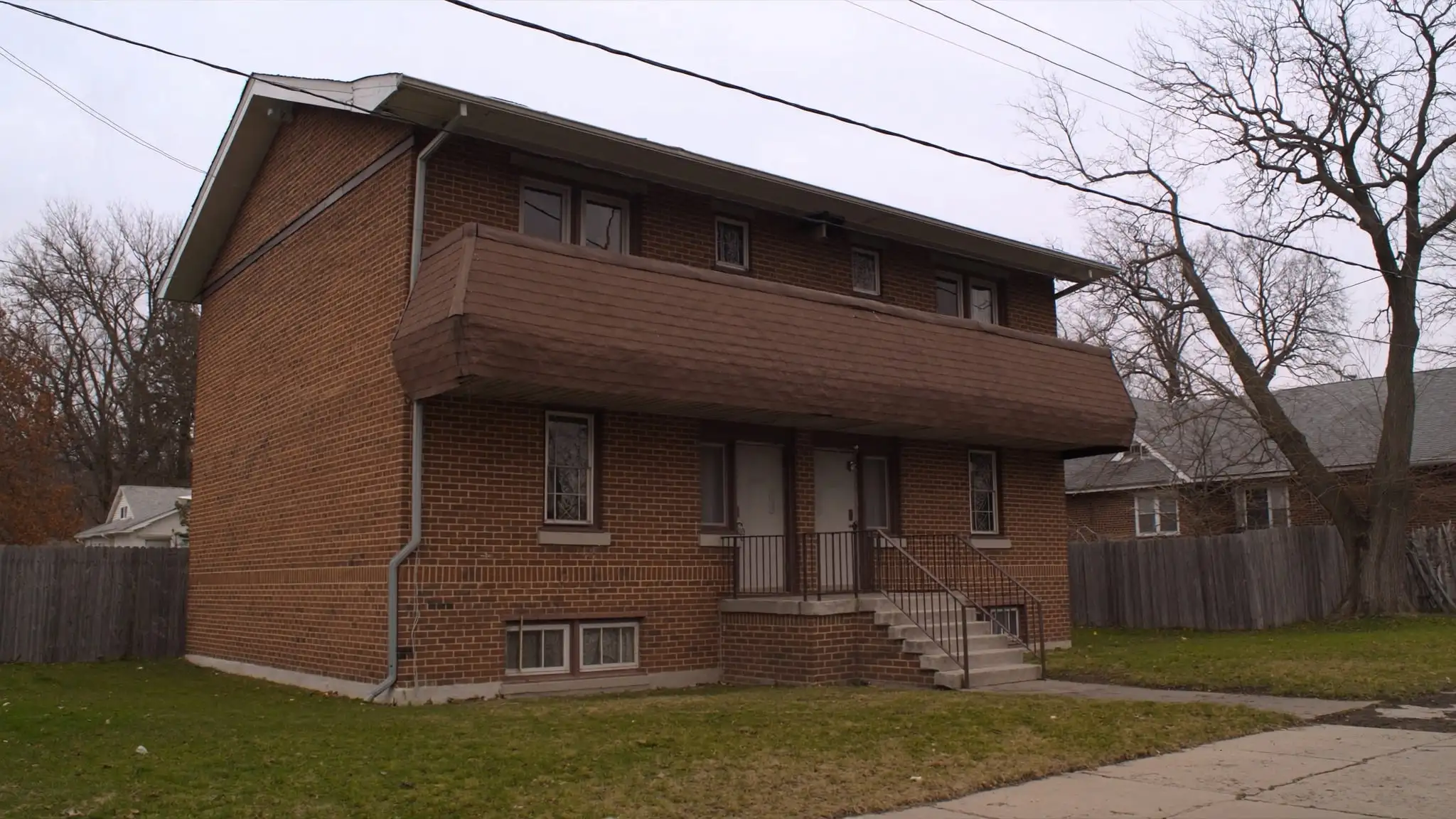
The plan also notes that most of Hobart’s multi-family buildings were built between 1891 and 1946, and many of them are duplexes rather than big apartment buildings. If you’re a landlord holding one of those, see our page for tired landlords.
We buy houses in Hobart, IN near the water, too
According to the city plan, FEMA’s special flood hazard area in Hobart covers the Deep River floodplain from the north end of Lake George north to the city limit. It runs 500 to 1,200 feet on either side of the river.
Hobart has been through serious flooding. In September 2008, heavy rain flooded parts of northwest Indiana. The city plan says the Army Corps of Engineers estimated it as a 140-year storm. The U.S. Geological Survey documented high-water marks in Hobart along Deep River.
Here’s why that matters when you sell:
- Flood insurance. If a house is in a high-risk flood zone, most mortgage lenders will require the buyer to carry flood insurance. That raises the buyer’s monthly cost, and some buyers walk away.
- Disclosure. Past water in the basement or a past flood claim is something to share with any buyer, even after repairs. See our post on selling a house as-is in Indiana.
- Paperwork. Insurance history, repair receipts and an elevation certificate, if you have one, make any sale smoother.
Check your own address on FEMA’s Flood Map Service Center before you assume anything. Living near the lake doesn’t automatically put a house in the mapped zone.
Houses near downtown and the lake
Hobart’s planners describe small-lot neighborhoods spreading outward from the lake, laid out on a pattern set by the old mills and brickyards. Residents told the planners they’re fond of the charming older homes around downtown, and that existing houses should be kept up and improved.
That’s the honest picture for sellers. A well-kept older house near downtown or the lake has real appeal. One with a tired roof, an old furnace and a wet basement is a harder sell to a buyer who needs a mortgage, because lenders and inspectors focus on exactly those things.
Say you inherit your parents’ 1950s house a few blocks off the lake. It’s solid, but nothing has been updated in 30 years. You could put money into it and list, or sell it as-is and split the proceeds with your siblings sooner. Neither choice is wrong. Our page on inherited houses and probate can help you weigh it.
When listing is the better move in Hobart
The city plan described Hobart as a sellers’ market in 2022. Markets change, but residents told planners that detached single-family homes are the most in-demand type of housing in town, and they make up about three-quarters of Hobart’s homes.
If your house is updated, outside the flood zone and you’re not in a hurry, an agent will probably get you more than we would. That’s often true even after commissions. Our cash buyer vs. agent page shows how to compare.
We’re a better fit when:
- The house needs major repairs or has flood history that scares off financed buyers.
- You’re downsizing after decades in the house and don’t want to clear it out or fix it up.
- You’ve got tenants in an older duplex and want out of the landlord business.
- You need a firm closing date more than you need top dollar.
Our offer is based on the house’s condition, the repairs it needs, recent sales of similar Hobart homes nearby, and our costs. It will be below full retail, and we’ll show you how we got there.