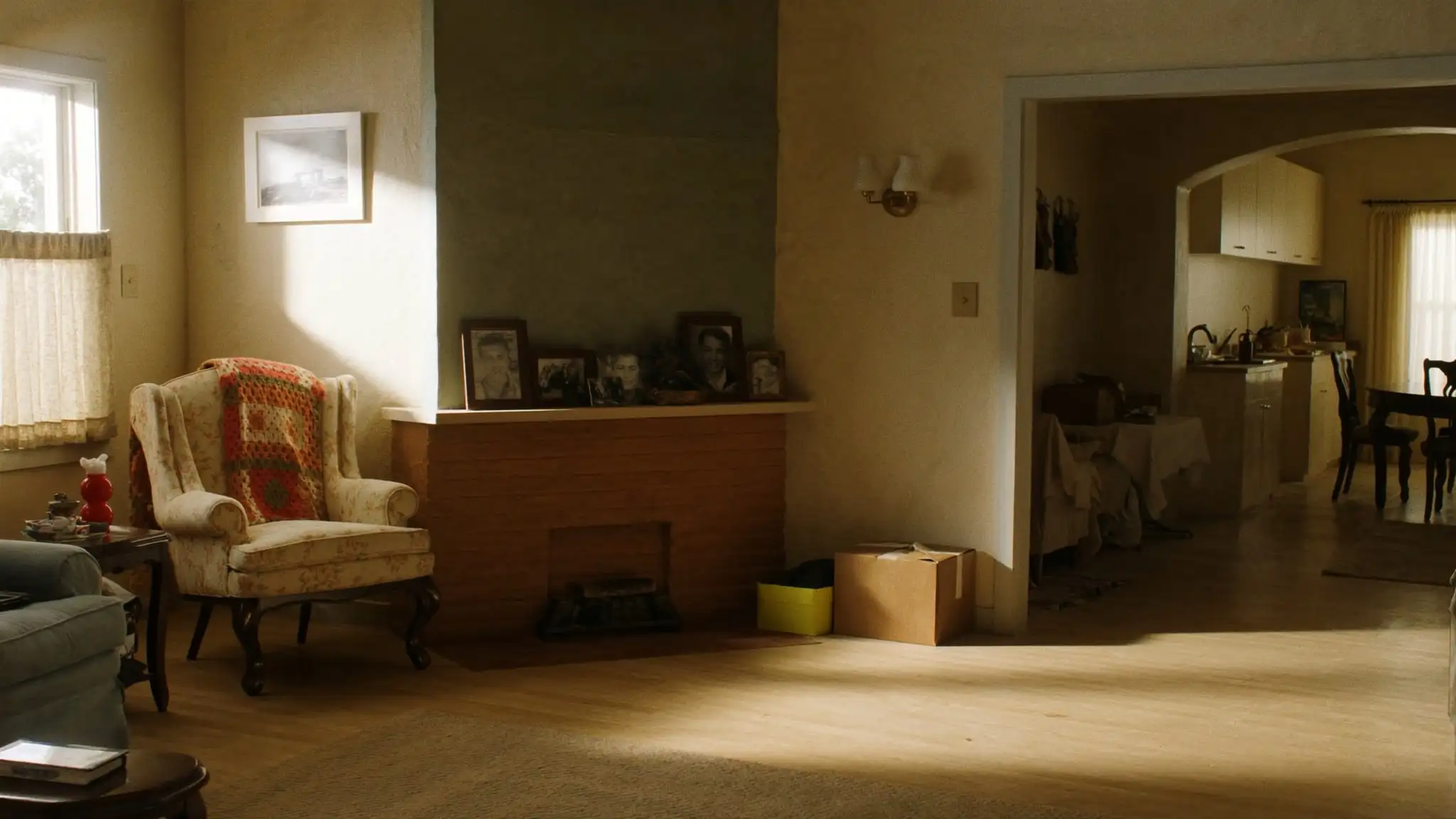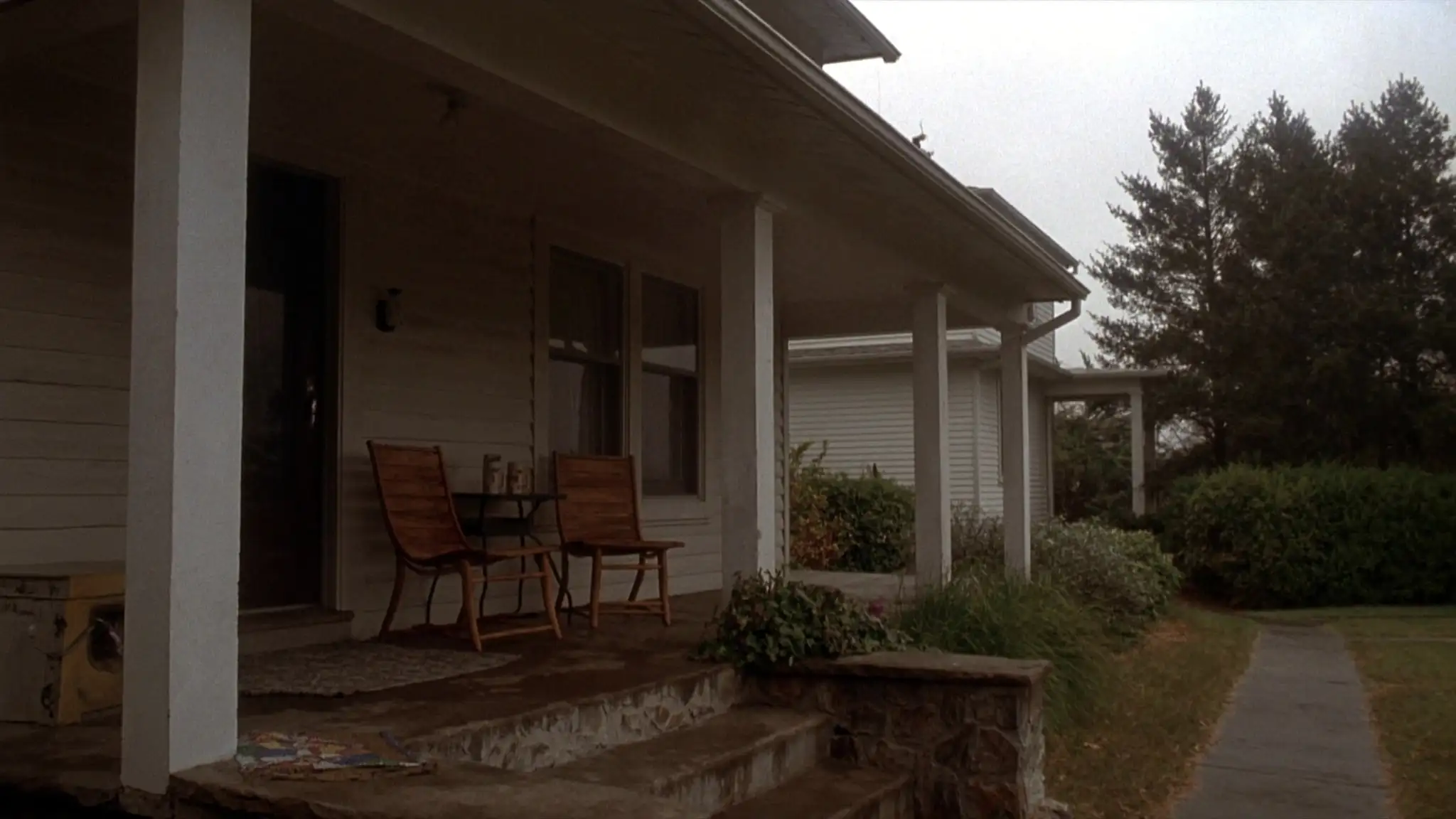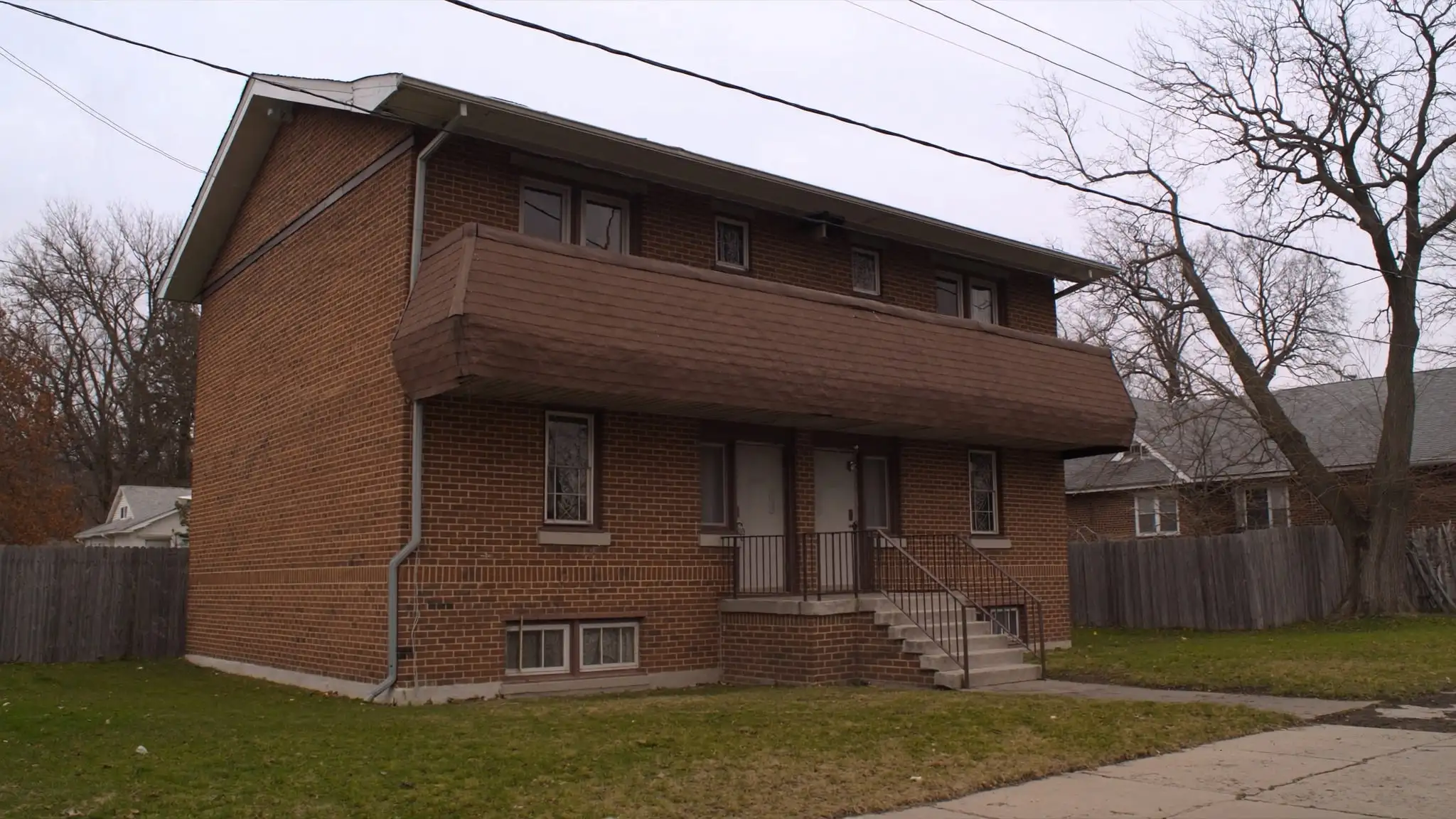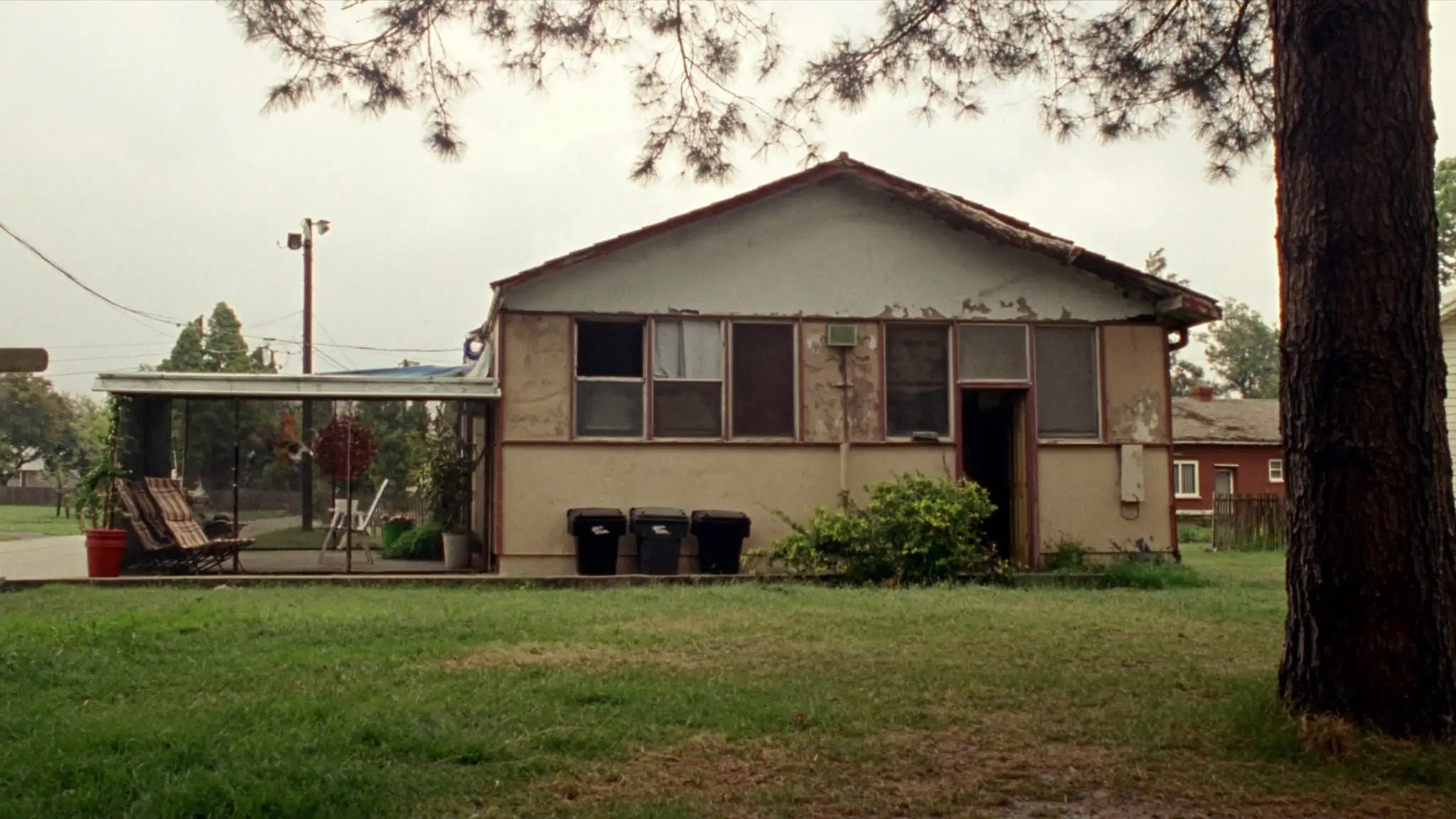
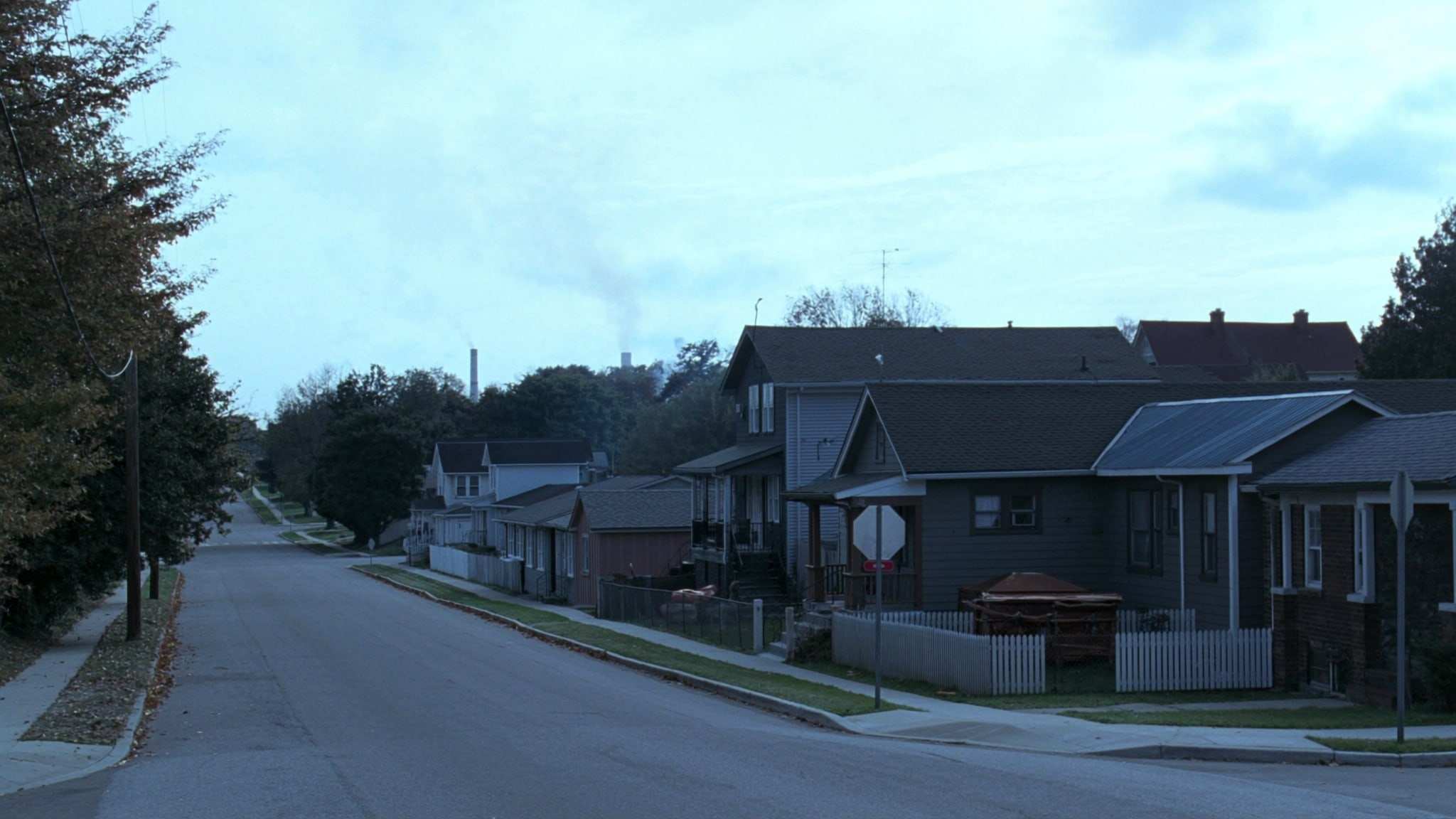
East Chicago grew up as two communities side by side: Indiana Harbor near the lake and the steel mills, and the original East Chicago to the south and west. We buy houses in East Chicago, IN for cash and as-is in both, including older homes that need work and houses inside the USS Lead Superfund area.
Below you’ll find the neighborhood basics, a plain explanation of the Superfund cleanup and how it can affect a sale, and the offices you may need. Questions? Call or text (708) 712-6846.
The Harbor side and the East Chicago side
The whole city uses one ZIP code, 46312, but its neighborhoods fall into two historic halves.
The Indiana Harbor side takes in Indiana Harbor itself, North Harbor, Sunnyside, New Addition, Washington Park, Prairie Park and Marktown. These areas sit closest to the lake, the ship canal and the big mills.
The East Chicago side takes in Northside, Southside, Calumet and Roxana. Roxana is the only East Chicago neighborhood south of the Grand Calumet River, and it’s named for an early oil company that built a refinery next to it. Calumet lies east of the Indiana Harbor canal and south of Chicago Avenue.
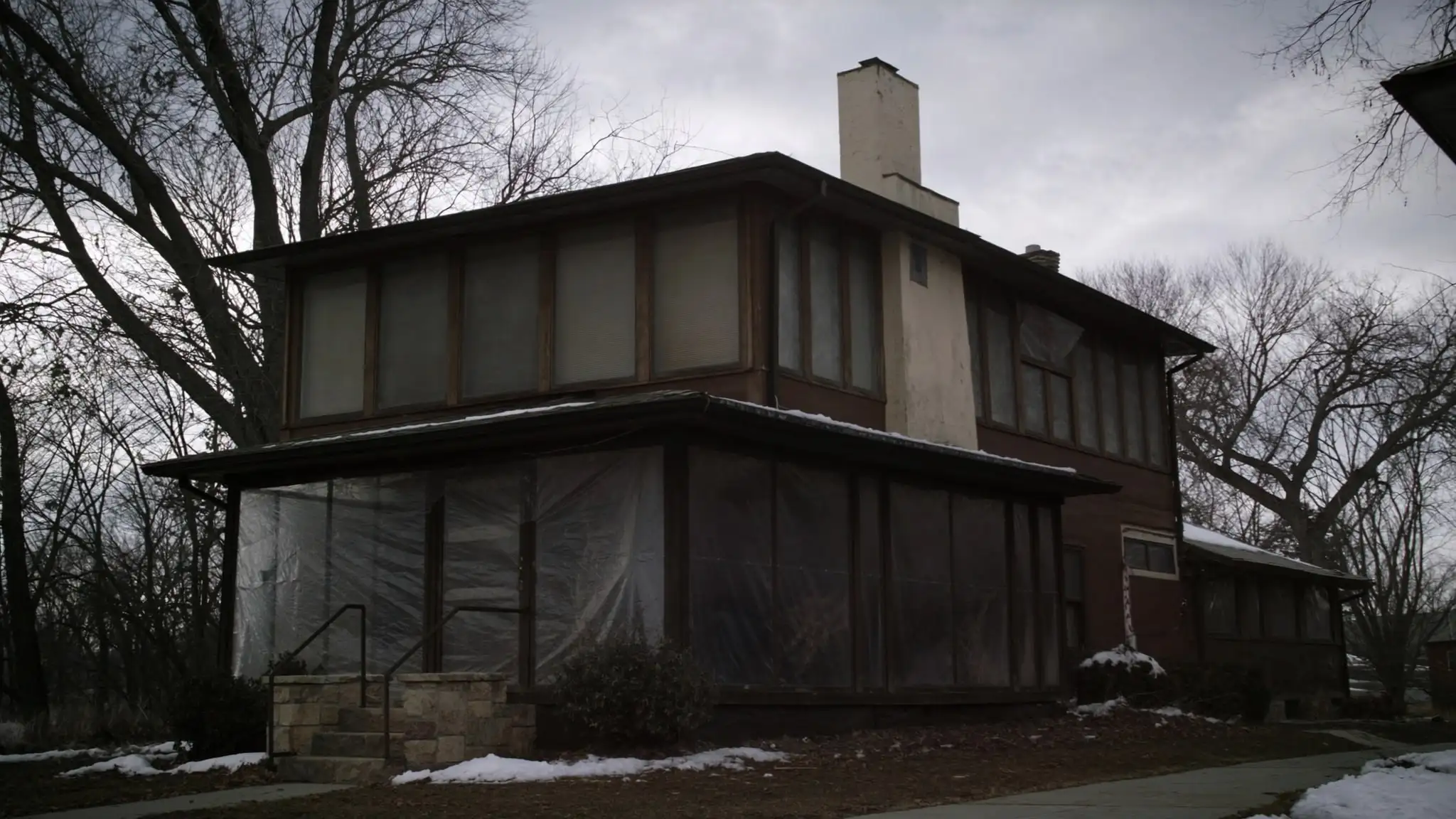
Much of the city’s housing went up for families who worked in the mills and refineries, so many houses have decades of wear. Old roofs, wet basements and outdated wiring and plumbing are common reasons owners decide to sell as-is instead of fixing up.
If your house is in the USS Lead Superfund area
This is the first question many East Chicago sellers ask. Here are the facts as EPA reports them on its USS Lead Superfund site page.
Where it is. The residential part of the site runs from East Chicago Avenue south to East 151st Street, and from the Indiana Harbor Canal east to Parrish Avenue (EPA background). The main concerns are lead and arsenic linked to the former USS Lead facility, and EPA divided the neighborhood into three zones.
Zones 2 and 3, the neighborhood blocks. EPA says soil cleanup is finished in both. In Zone 2, all 597 properties were sampled, and all 510 that needed cleanup were cleaned. In Zone 3, all 481 properties were sampled, and all 297 that needed it were cleaned. EPA has also finished its indoor dust work in both zones. In September 2020, EPA removed 671 cleaned-up homes in these zones from the national Superfund list.
Zone 1. This is where the West Calumet Housing Complex stood. EPA says the land was rezoned for commercial and industrial use, and a developer plans a warehouse and logistics center there. In August 2026, EPA proposed removing Zone 1 from the Superfund list and opened a public comment period. Check EPA’s Zone 1 page for where that decision stands.
What it can mean when you sell
A cleaned-up yard is part of your house’s history. It isn’t automatically a mark against it. A few things are worth knowing:
- Find your paperwork. EPA shared sampling results with owners and sent letters to those whose properties were in the 2020 delisting. If you have that paperwork, keep it with your deed.
- Not every property was delisted in 2020. EPA’s 2020 fact sheet says some properties were left out because soil above the cleanup level remained deeper than 24 inches. Those may need “institutional controls,” which are restrictions meant to keep leftover contamination from being disturbed. If one was recorded against your property, it would show up in title work.
- Disclosure still applies. Indiana has a seller disclosure form for known problems, and homes built before 1978 also fall under the federal lead disclosure rule. Share what you know. For what that means in your case, talk to an Indiana real estate attorney. Our post on selling a house as-is in Indiana covers the basics.
EPA’s site page has sampling data maps, and paper copies of site documents are kept at the East Chicago Public Library, 2401 E. Columbus Drive, and the Robert A. Pastrick Library, 1008 W. Chicago Ave.
We buy houses in the Calumet neighborhood and the rest of the site area. We’ll ask what records you have and factor them into a written offer. You don’t have to fix anything first.
Marktown, a historic district with its own quirks
Marktown, on the Harbor side, is a planned worker neighborhood from the World War I era. It’s listed on the National Register of Historic Places. Its streets are so narrow that cars park on the sidewalks, it’s hemmed in by industry, and some of its original homes have been torn down over the years.
For a seller, the main challenge is pricing. In a neighborhood this small, there may be few recent sales that truly compare, for an agent or for us. We’ll show you which sales we used and why.
Family houses that are sitting empty
Say the house your parents bought on the Southside has sat empty since they moved in with family. The property tax bills keep coming, the grass keeps growing, and nobody in the family wants to be a landlord.
That’s a common spot to be in, and you have choices. If the estate still needs to go through court, start with our page on inherited houses and probate. If the house is simply sitting empty, our vacant house page walks through your choices. If taxes have slipped, read about selling when you’re behind on property taxes before the county’s tax sale timeline gets close.
We buy houses in East Chicago, IN, but listing sometimes pays more
If your East Chicago house is updated, dry and in good repair, listing with an agent will probably net you more than our offer. We’ll tell you that.
A cash sale makes more sense when the house needs major work, when you need a firm closing date, or when you’d rather not have strangers walking through. Our cash buyer vs. agent page compares the two.
East Chicago offices
- City Hall, 4525 Indianapolis Boulevard. The Building Department’s Inspections & Permit Division handles permits and building code enforcement. Phone (219) 391-8300.
- Lake County property taxes. The county treasurer has offices in Crown Point, Hammond and Gary, listed on the county treasurer’s page.